

THE BAMBOO CITY
Is Bamboo a Nature Based Solution for Carbon Neutral and Regenerative City?
“The era of global warming has ended; the era of global boiling has arrived. Leaders must lead. No more hesitancy. No more excuses. No more waiting for others to move first. There is simply no more time for that. It is still possible to limit global temperature rise to 1.5 degrees Celsius and avoid the very worst of climate change. But only with dramatic, immediate climate action.”
- UN Secretary-General António Guterres

In India, 461 million people are living in cities, and this number is growing by 2.3% each year. We still need to build 70 to 80% of the infrastructure that will be required by 2050.


Introduction
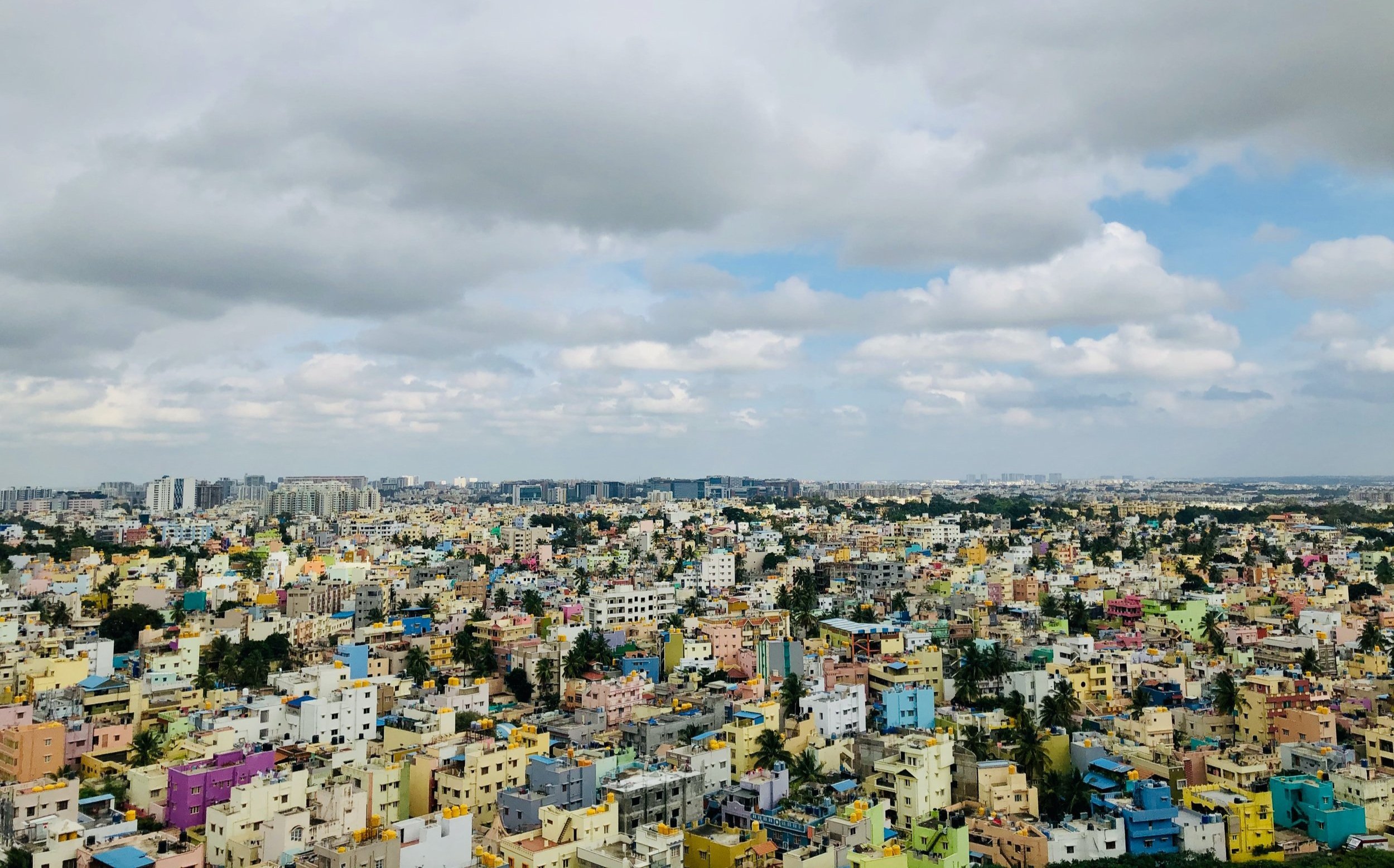


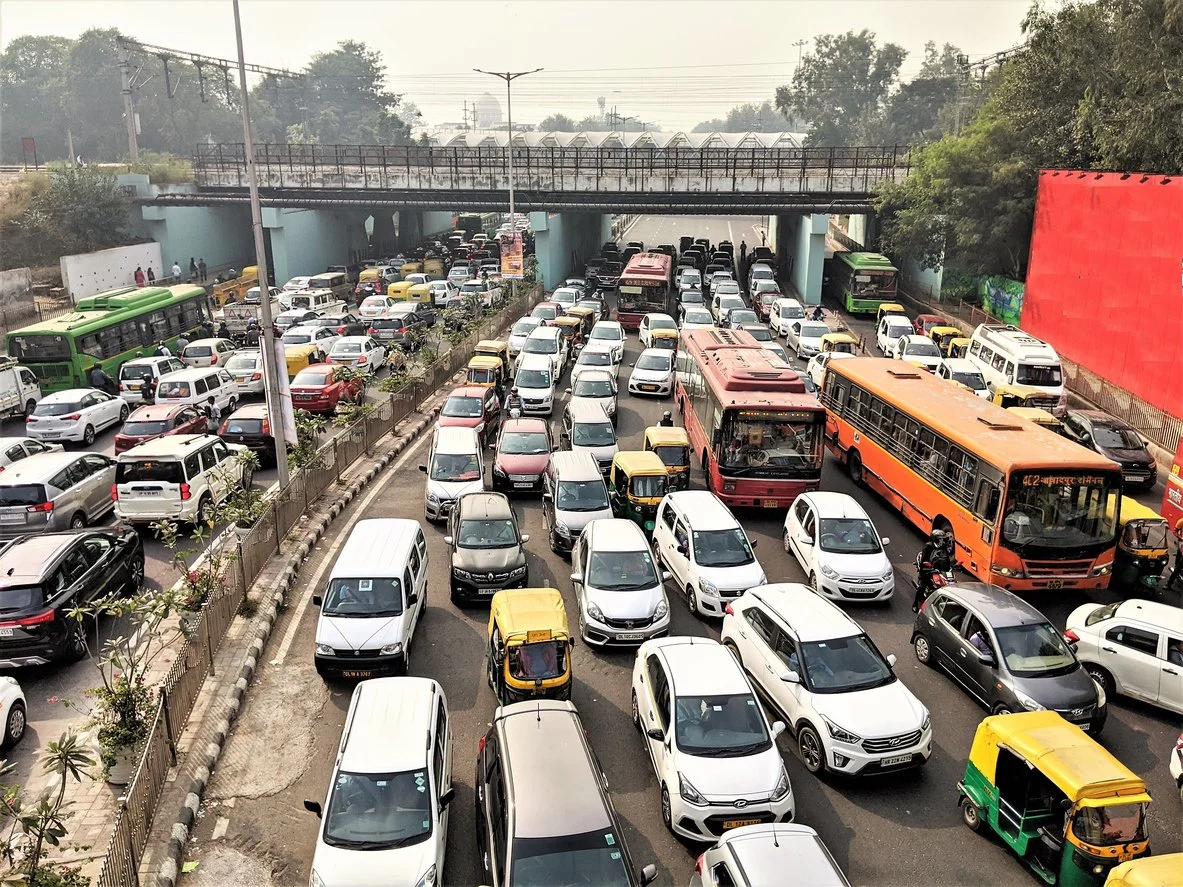
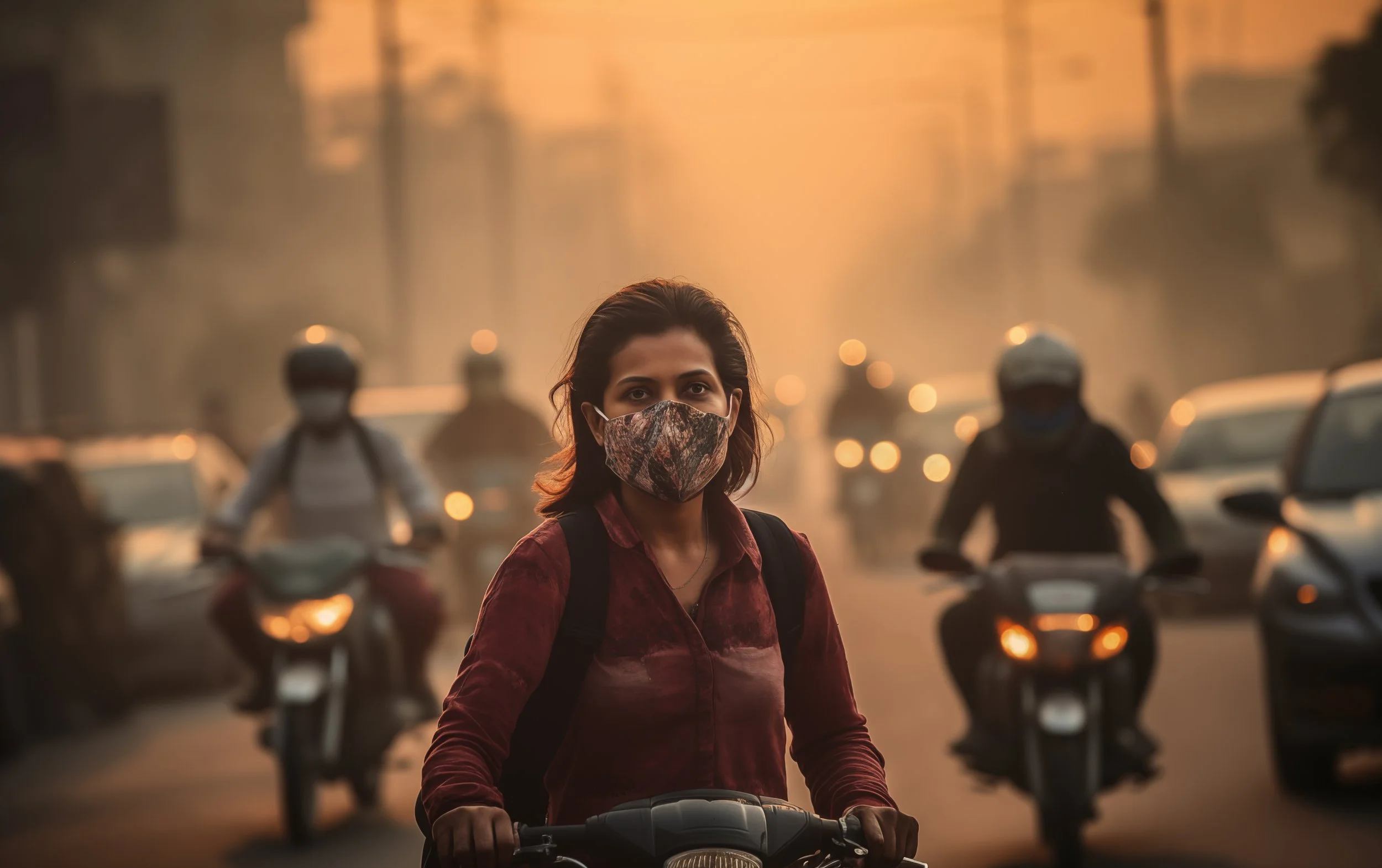
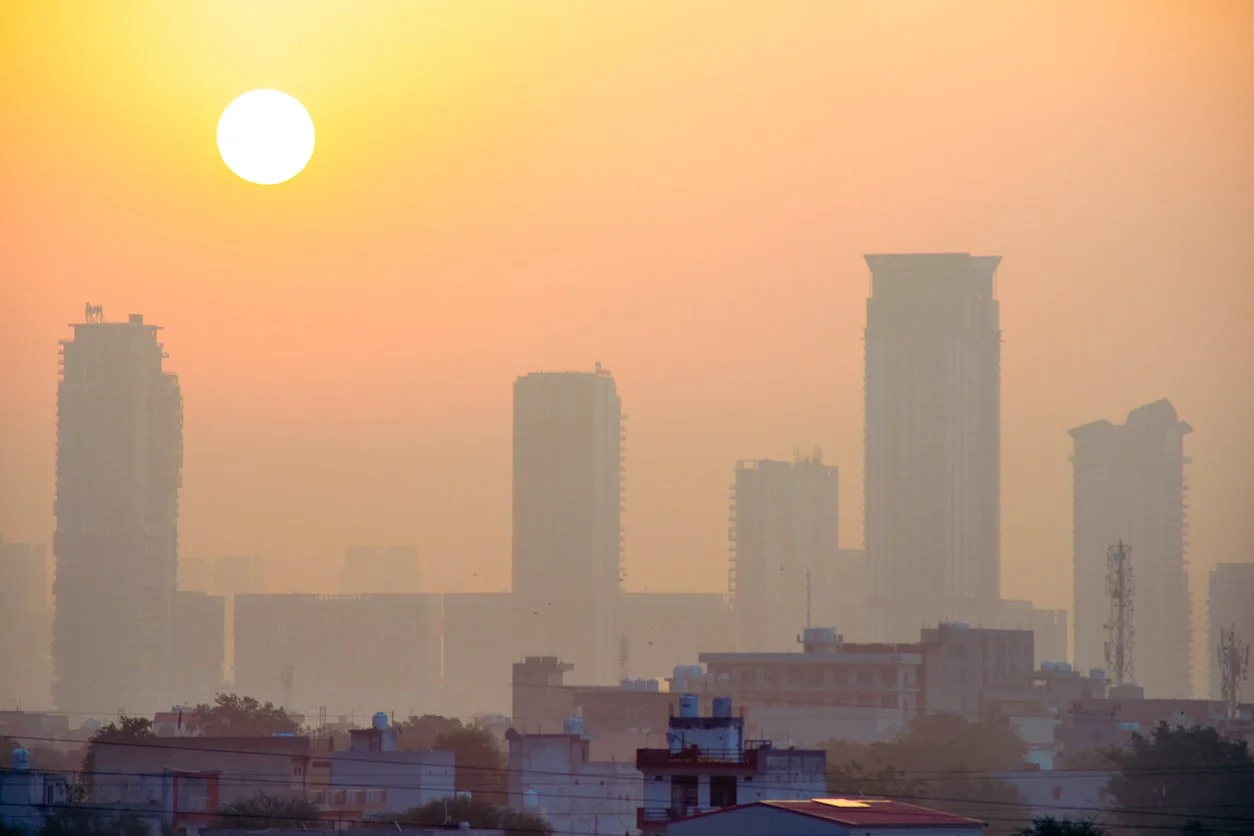
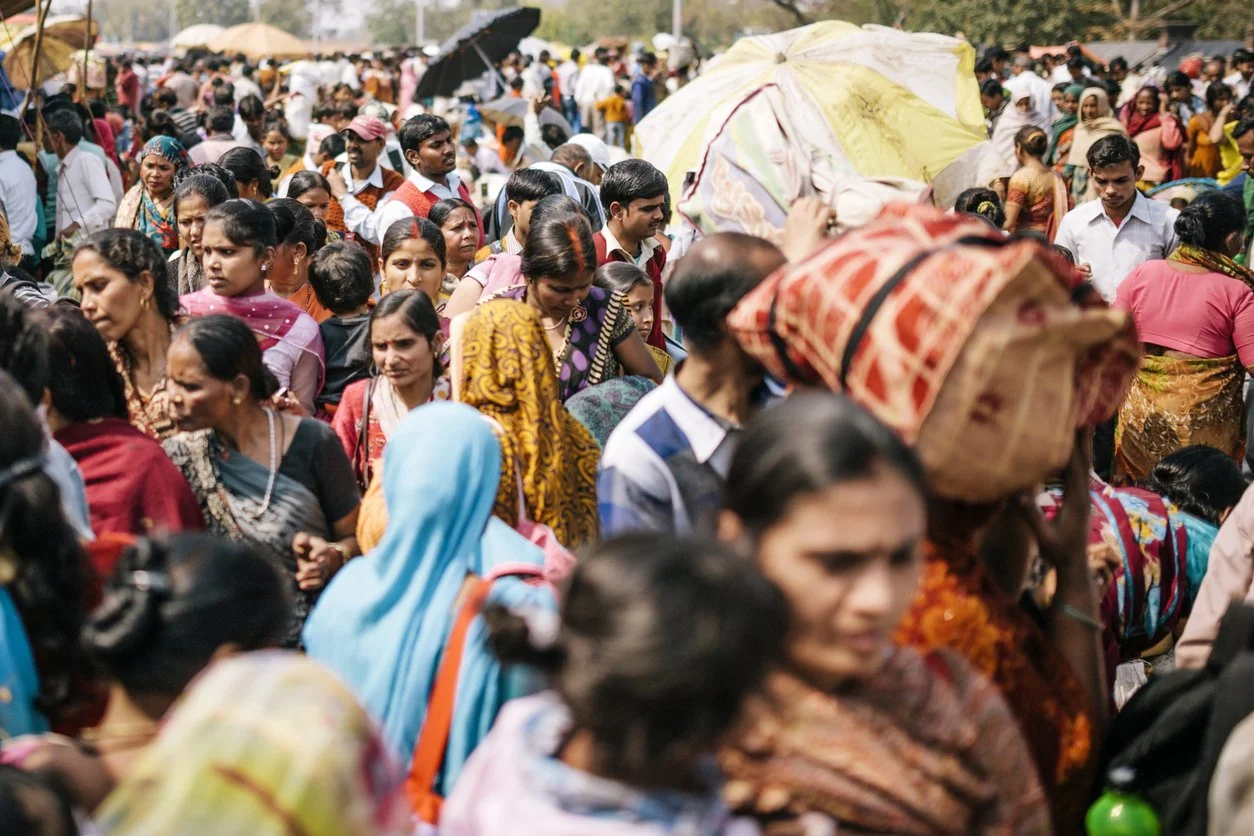
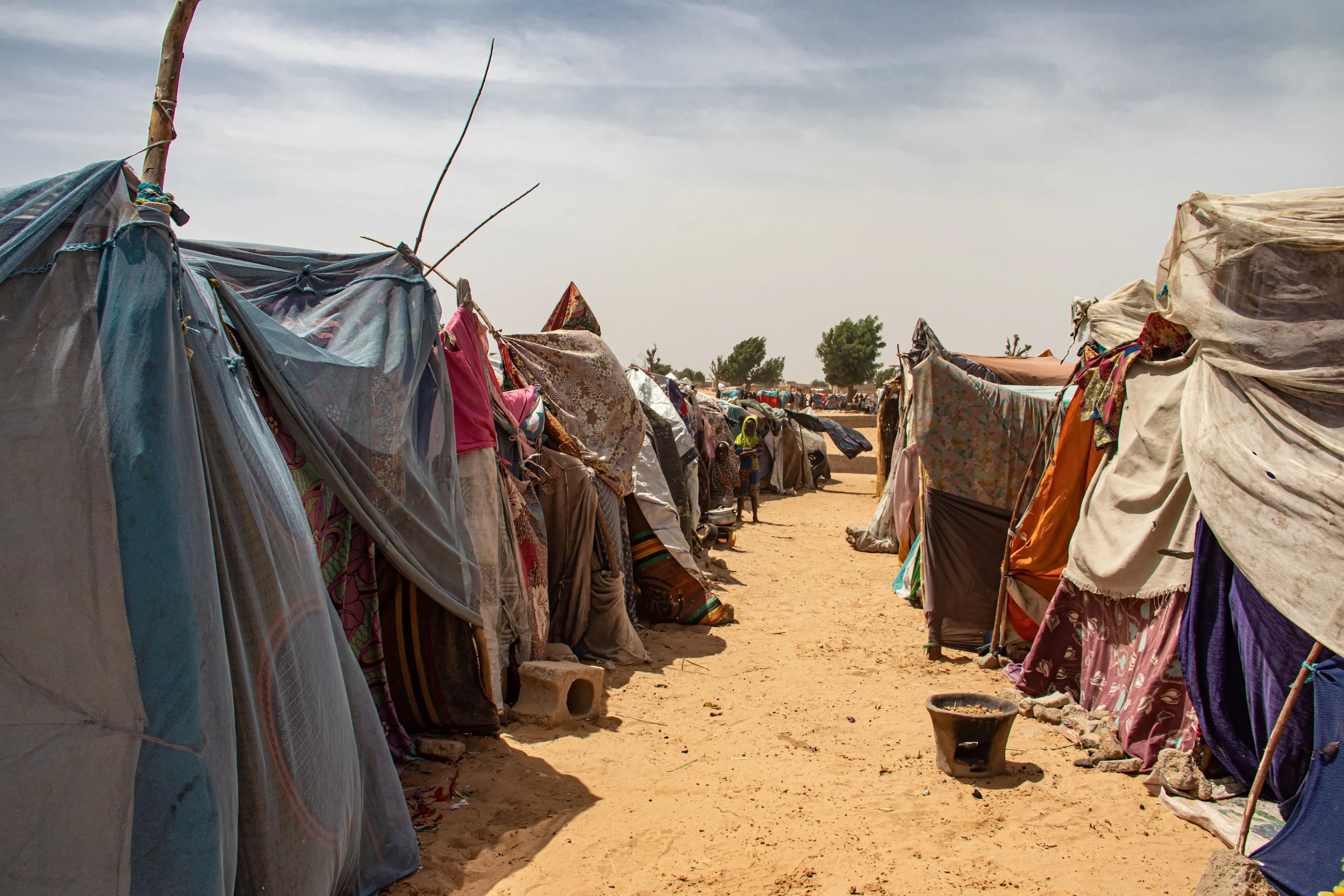
Urbanisation is advancing faster than our cities can safely absorb. Today, 55% of the world’s population lives in urban areas, and this figure is expected to reach 60% by 2030. In India, 461 million people already live in cities, and that number is rising by 2.3% every year. Yet 70–80% of the infrastructure needed by 2050 is still to be built, making the choices we make now critical for the decades ahead.
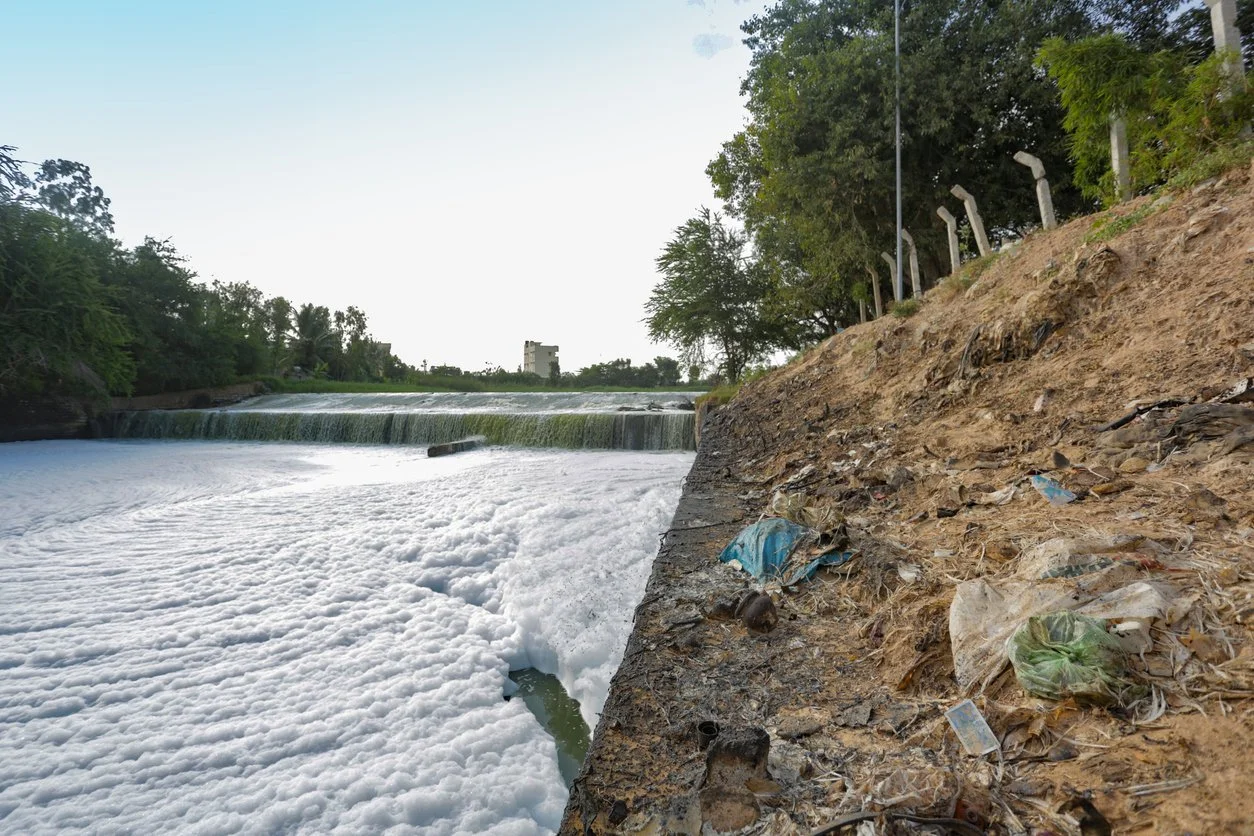
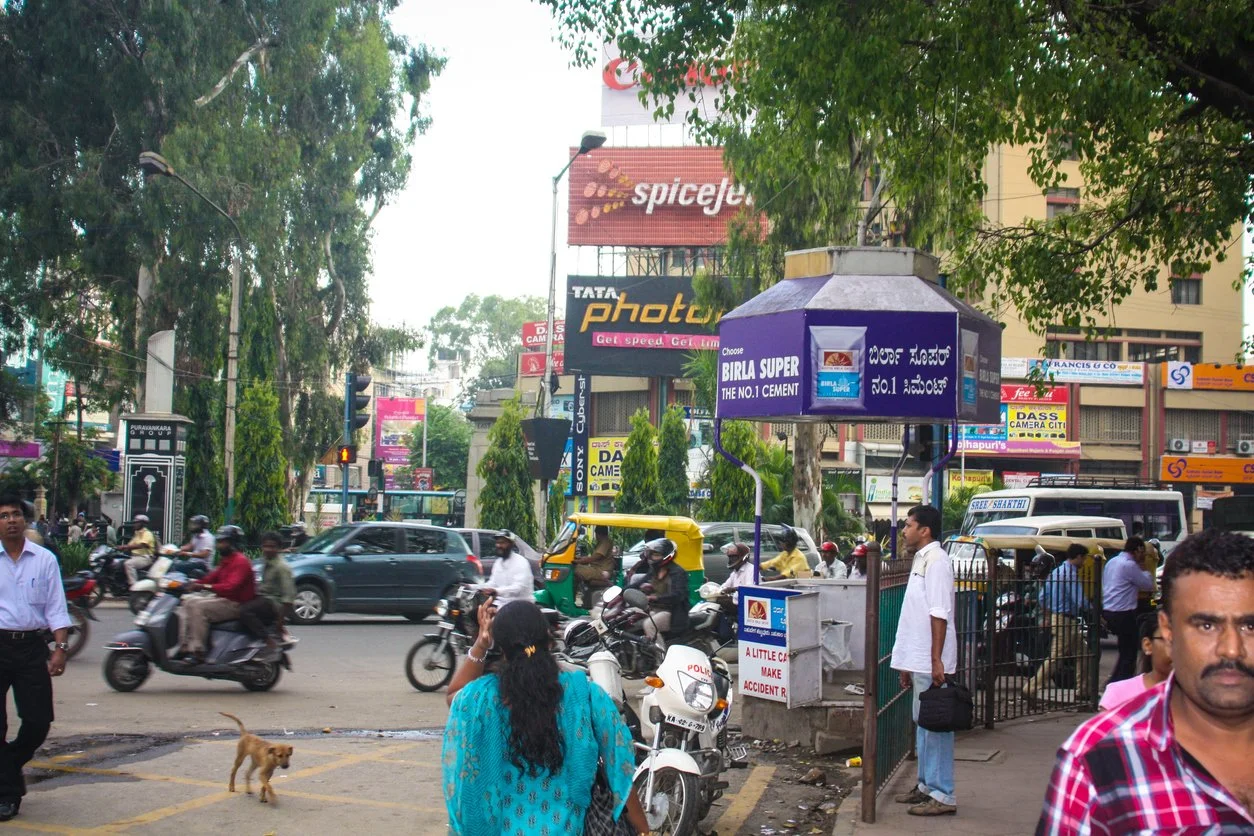
Bengaluru is already feeling the consequences of this rapid growth. From 1.2 million people in 1960 to nearly 14 million today, the city’s expansion has placed immense pressure on its environment, ecosystems, and infrastructure. As development pushes outward, lakes and natural buffers are being lost, waste continues to contaminate land and water bodies, vehicle use is rising, and concrete-driven growth is intensifying heat, flooding, and climate vulnerability.
This is where urgent, practical action is needed. CGBMT’s project responds to this challenge through bamboo and other native flora — climate-resilient, ecologically appropriate, and place-based solutions that support sustainable urban development. Bamboo is a fast-growing, carbon-absorbing material with strong potential for sustainable construction, while native flora can help restore biodiversity, strengthen urban ecosystems, and improve environmental resilience.
The project is moving from vision to implementation. Building typologies have been documented, suitable bamboo species for Bengaluru have been identified, stakeholder consultations have been completed, and bamboo building codes are being updated. A master plan is now being developed for bamboo plantations and native green cover in both the CBD and peri-urban areas, along with a clear action and implementation roadmap.
Bengaluru needs solutions that are both scalable and rooted in its ecology — and the time to act is now.
Aim
Make Bengaluru a Carbon Neutral City by 2035 and Regenerative thereafter
The project proposes:
One bamboo plant per resident in the city.
The project proposes a 30 % inclusion of bamboo in the construction sector in the city (public infrastructure).
SDG’s Addressed





Stakeholders
-
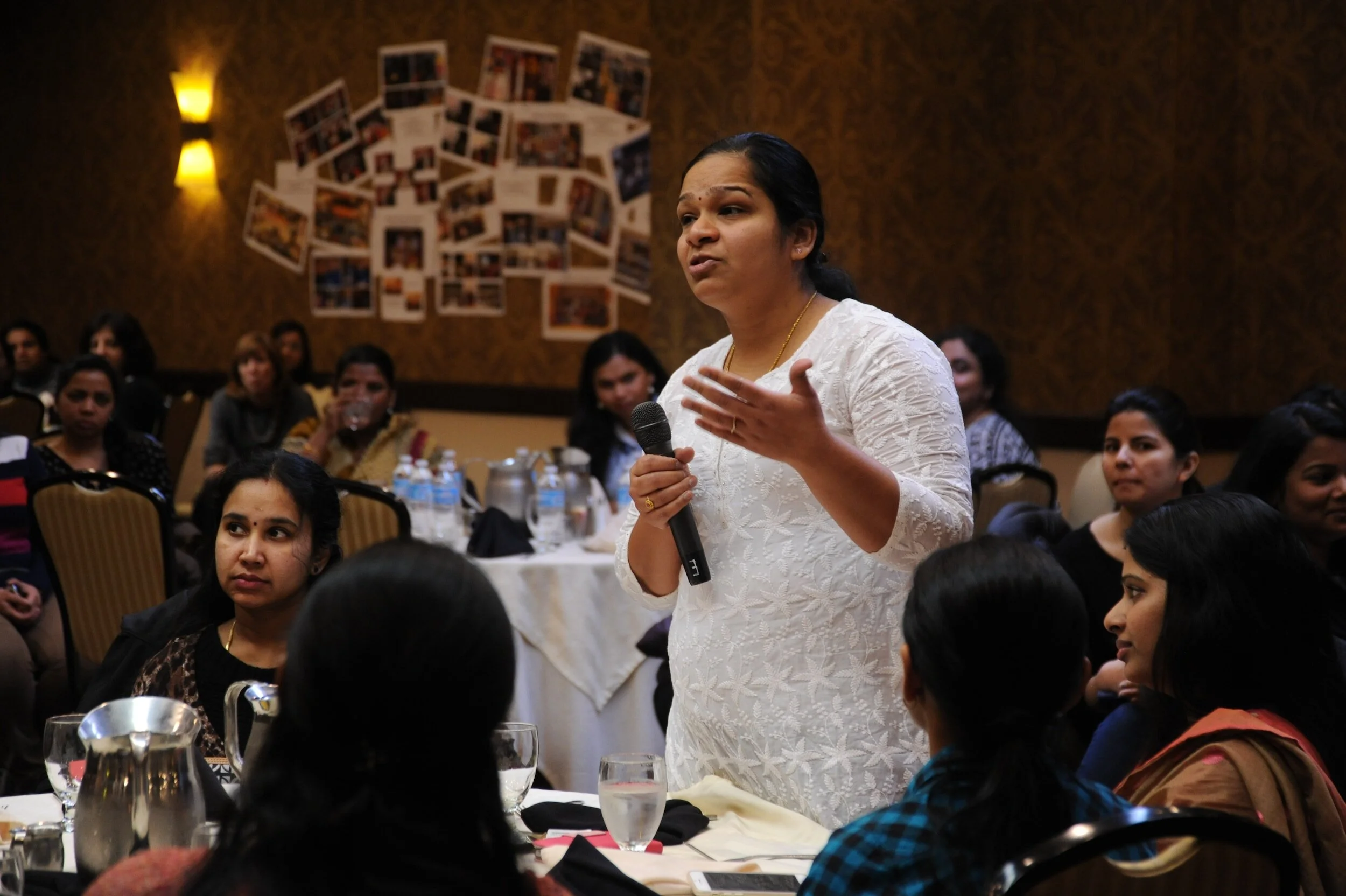
![A woman in a white dress holding a microphone is speaking at a round table with seated women in a conference or seminar setting. The background features a photo collage on the wall and warm lighting.]()
Residents
-
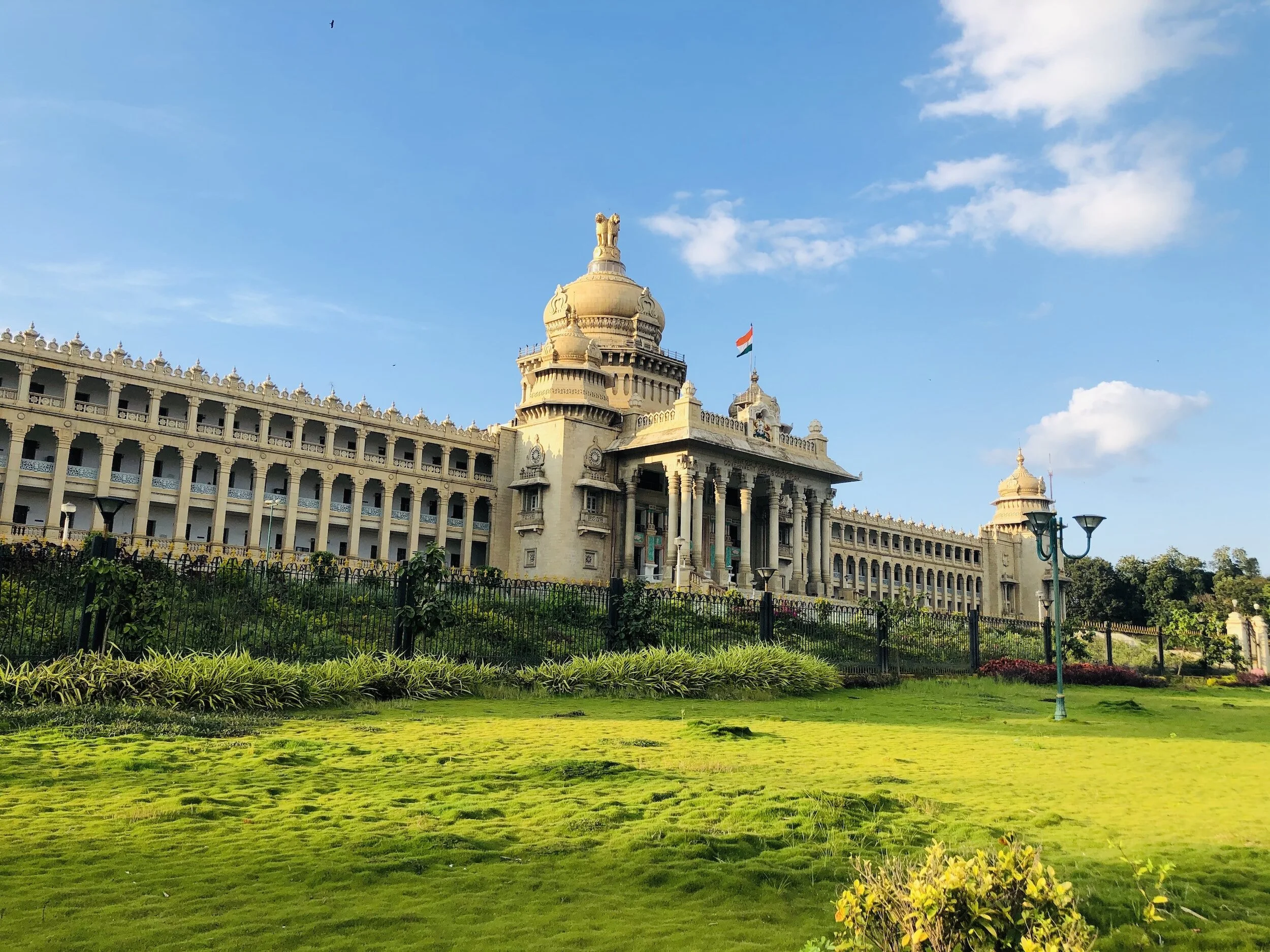
![A grand, historic building with domes and columns, surrounded by green lawns and a black fence, under a blue sky with scattered clouds.]()
Government Authorities
-
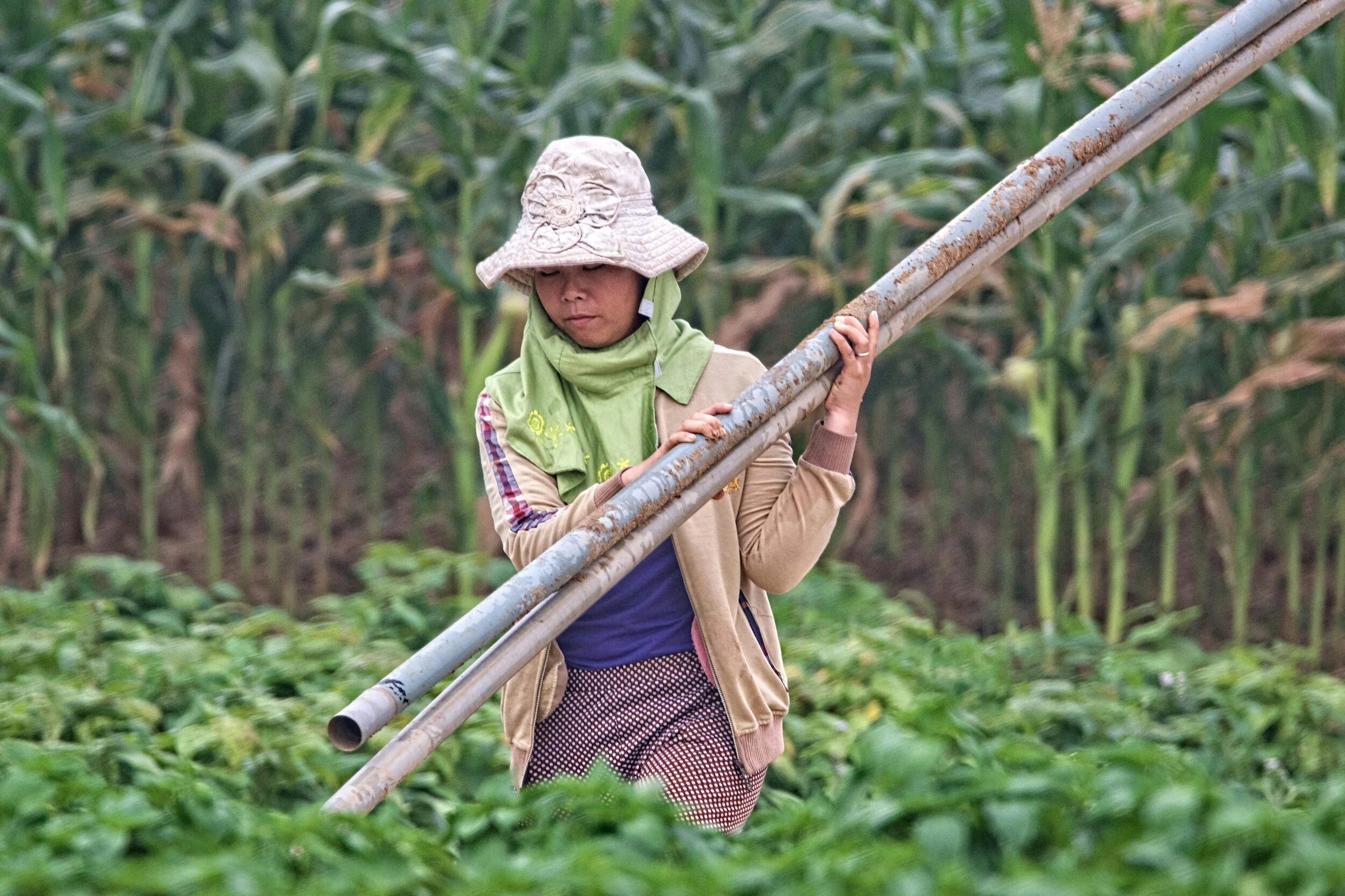
![A woman working in a farm, holding a long pipe, with green plants and tall corn stalks in the background.]()
Bamboo Farmers, Suppliers and Entrepreneurs
-
![A person with a smartwatch on their wrist pins a paper map on a board filled with papers and small color-coded pins and strings for planning or charting.]()
Urban Planners
-
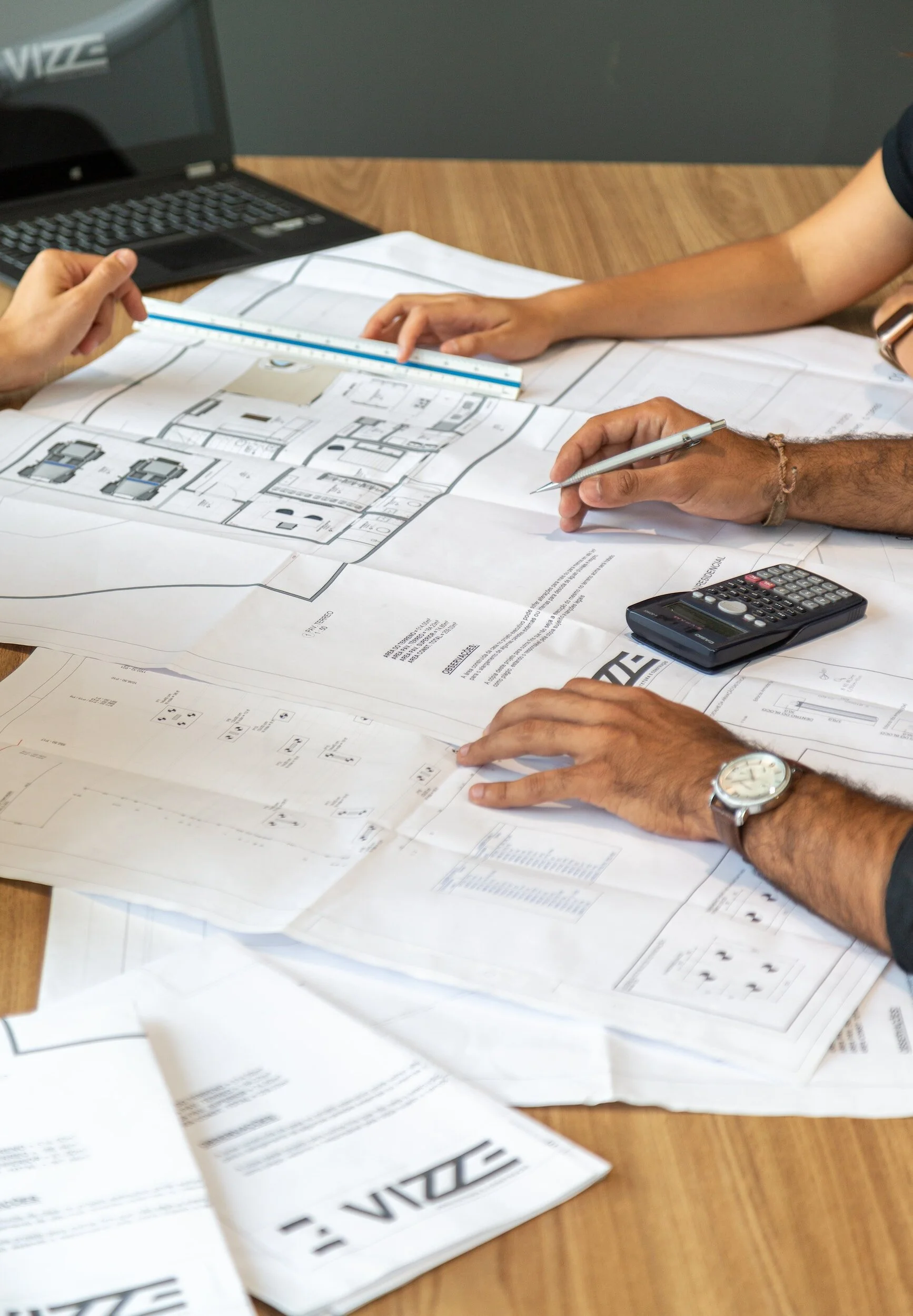
![Several people reviewing blueprints and architectural plans on a wooden table, with a calculator, a pen, and a laptop nearby.]()
Architects, Designers, and Engineers
-
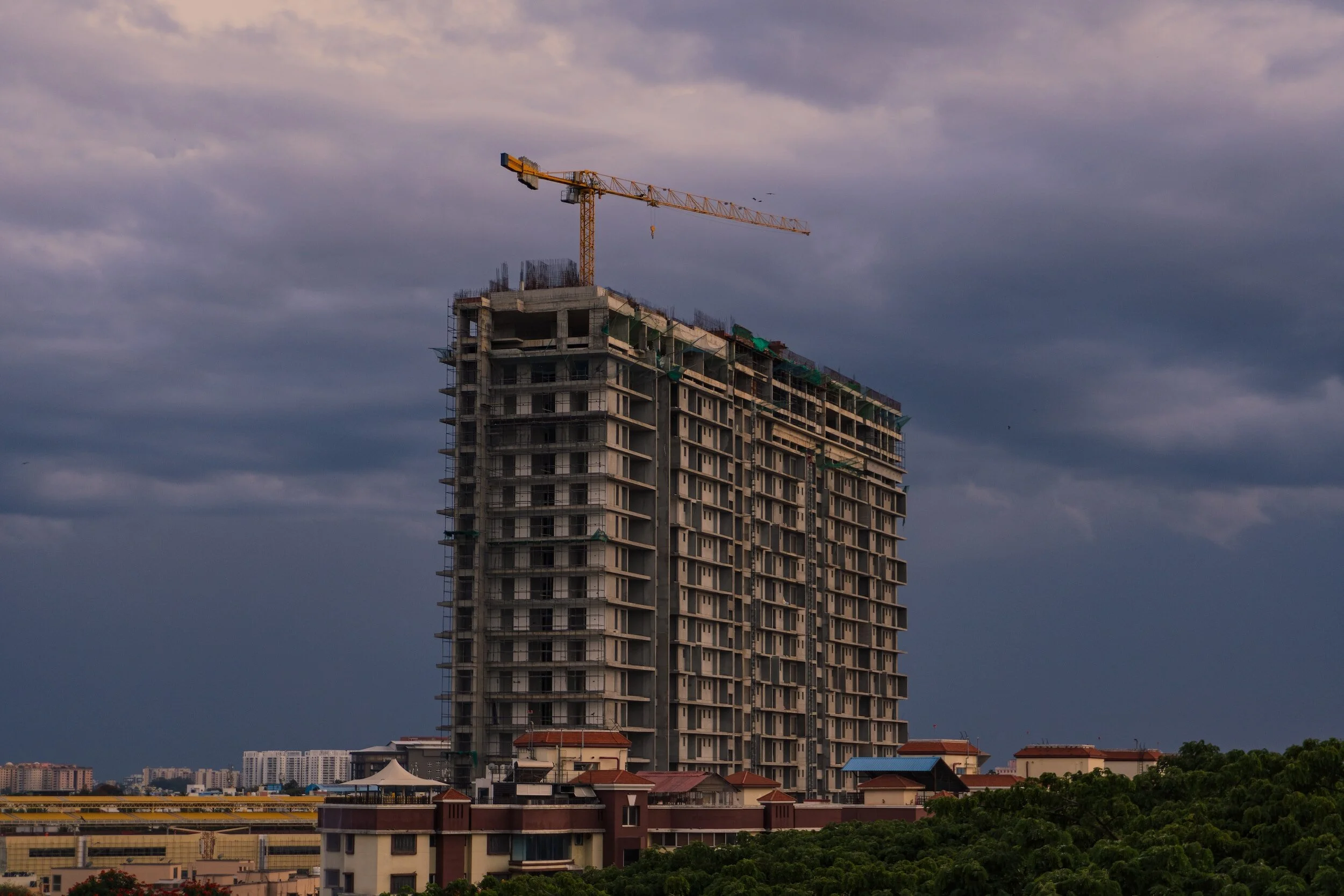
![A tall, under-construction building with a yellow crane on top, set against a cloudy sky, with a row of smaller buildings and green trees in the foreground.]()
Construction Industry Professionals
-
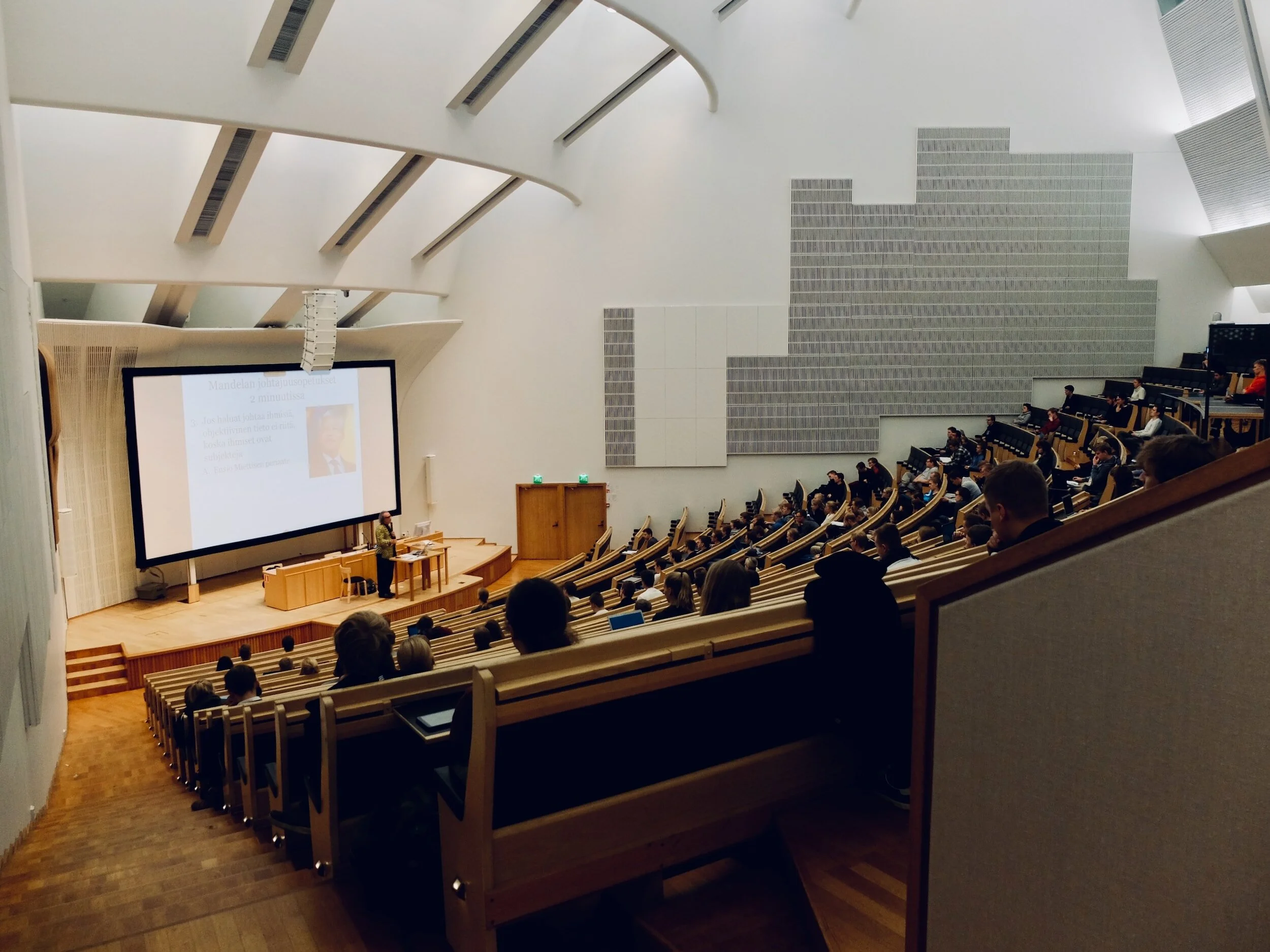
![A large lecture hall filled with students attending a presentation. A speaker is standing at a podium with a big screen displaying a slide with text and a photo. The auditorium has tiered seating with wooden benches and a high, white ceiling with architectural panels.]()
Academic Institutions
-
![People in a meeting discussing, with a laptop displaying a dashboard, a smartphone, an open notebook, and pens on a wooden table.]()
Research Institutions
-
![Audience raising hands in a conference or seminar with a blurred woman speaking on stage in the background.]()
Non-Governmental/Not-For-Profit Organizations
-
![Low-angle view of a modern glass skyscraper reflecting the blue sky and clouds, with sunlight shining from behind.]()
Corporates
-
![A close-up image of several bamboo stalks in black and white, with one stalk in color showing natural hues.]()
Bamboo Organizations (National and International)






Project Inception and Preparation
When C40 Cities launched the Women4Climate initiative in Bengaluru in 2022, Ar. Neelam Manjunath used the Bengaluru cohort as a platform to propose a city-scale project to tackle climate change. Drawing on over two decades of work in sustainability and in mainstreaming bamboo in construction, she shaped the Bamboo City concept as a nature-based, bamboo-led response to the city’s climate risks.
Under CGBMT, a dedicated team of advisors and researchers is now working to translate this vision into grounded action across Bengaluru.