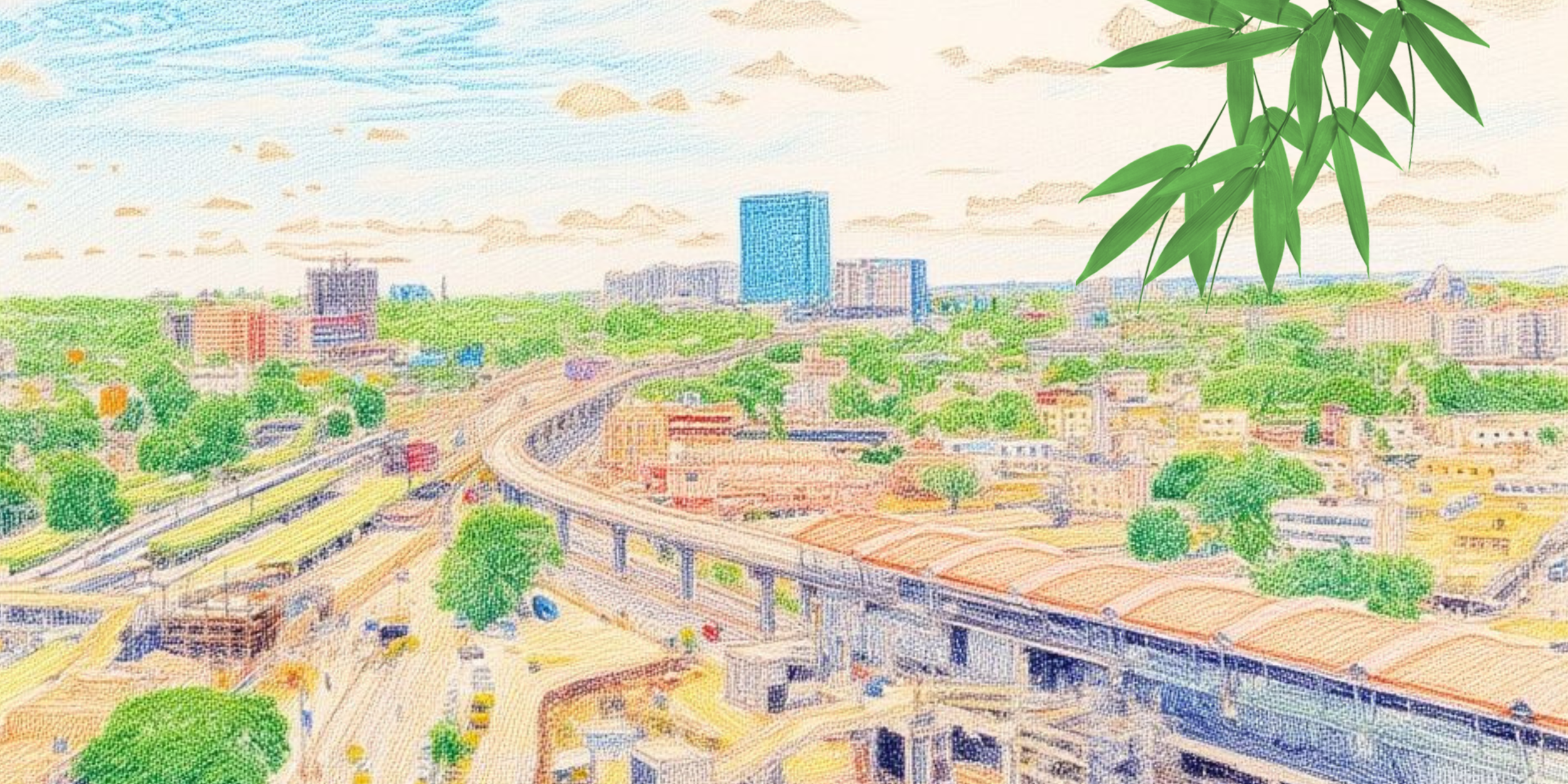
About the Jakkur Bamboo City Pilot
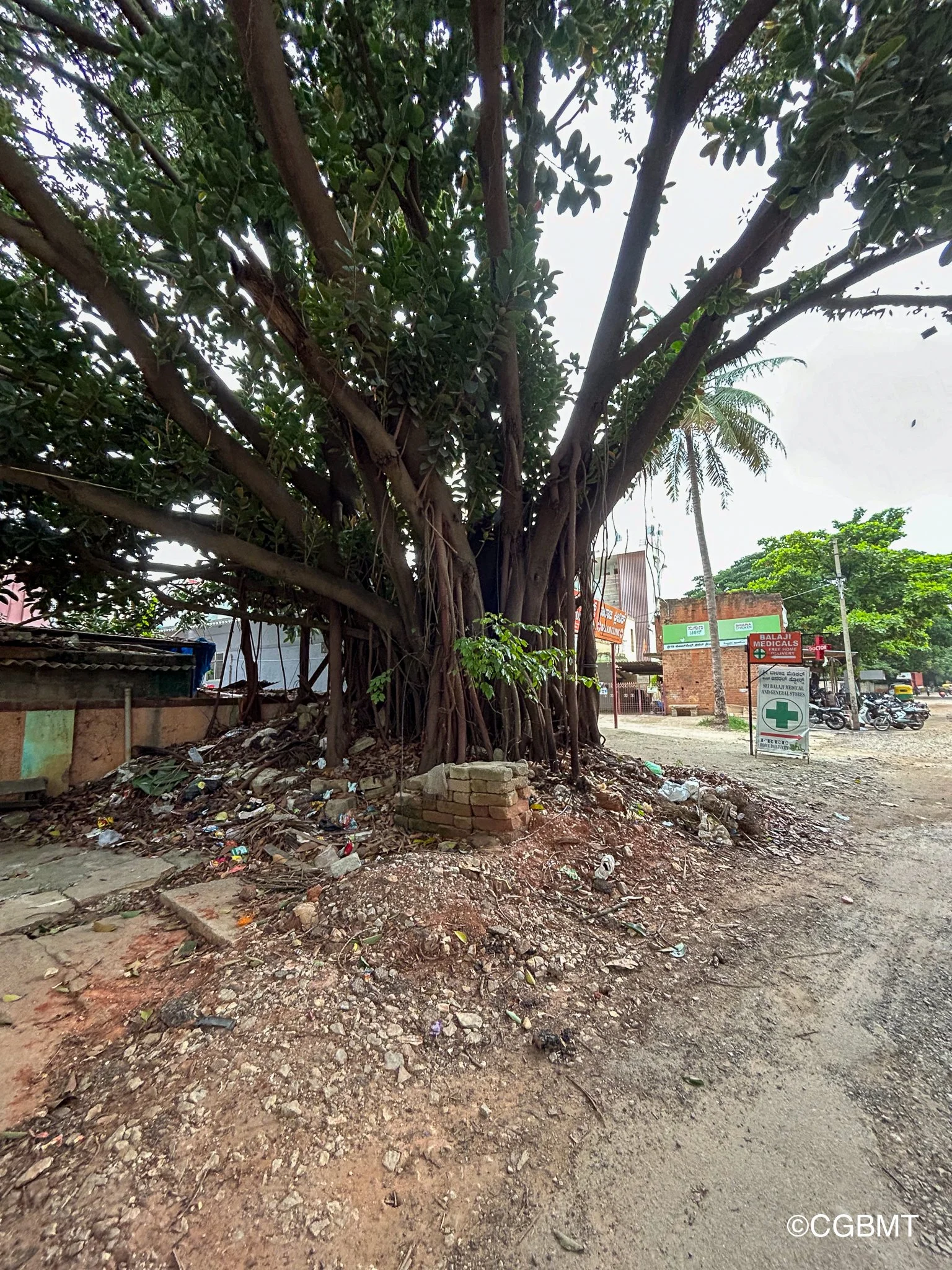
The Jakkur Bamboo City Pilot is the first on-ground step of CGBMT’s Bamboo City Project—a long-term effort to make Bangalore carbon-neutral and regenerative using bamboo.
In this pilot, we work with residents of Jakkur to:
Map degraded and underused spaces in Jakkur—including vacant plots, roadside edges, parks, stormwater drains, and lake surroundings.
Use these maps to identify where bamboo plantations can best cool streets, protect lakes and drains, hold water, and cut dust and pollution.
Build a foundation for future bamboo-based buildings and livelihoods in the ward.
The pilot is a testing ground where we learn how bamboo can reduce heat, manage water better, and create greener, safer public spaces in a real Bangalore ward.
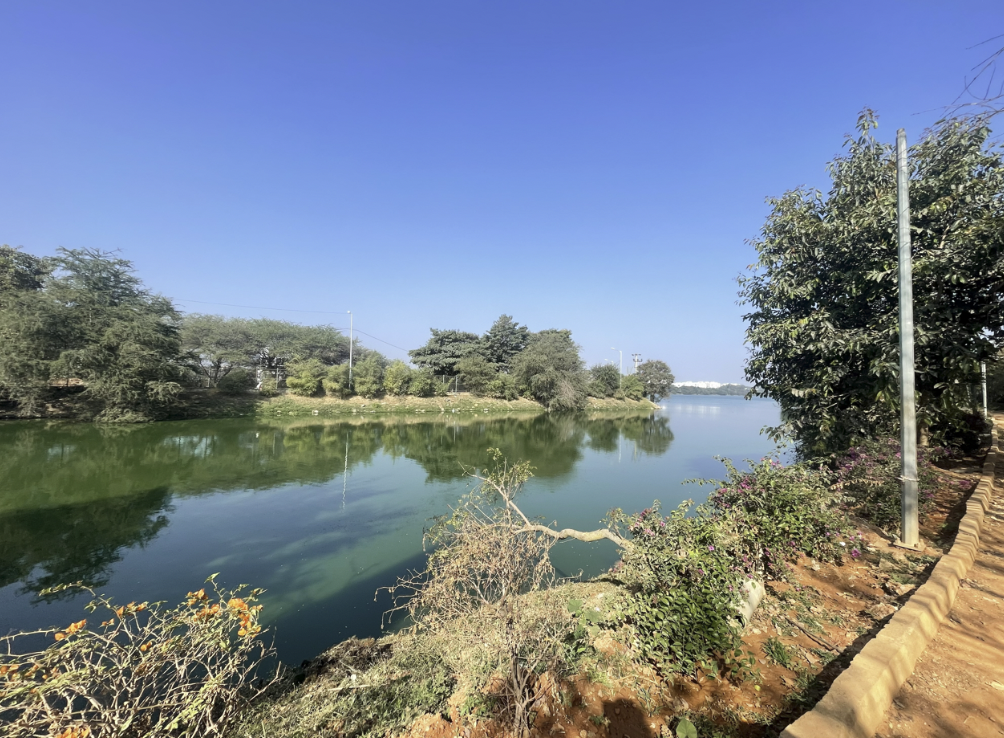
Cleaner Air
✳︎
Cooler Streets
✳︎
Healthier Lakes
✳︎
Greener Neighbourhoods
✳︎
Happier Residents
Cleaner Air ✳︎ Cooler Streets ✳︎ Healthier Lakes ✳︎ Greener Neighbourhoods ✳︎ Happier Residents
Why Bamboo Works for Everyone
For the environment: Bamboo sequesters carbon, cleans water, and prevents erosion.
For the economy: Creates jobs, supports businesses, provides affordable materials.
For the community: Better air, water, and homes; stronger neighborhoods; local income.
For the government: Helps meet international climate commitments; improves public health; reduces disaster risk.
For your family: Cleaner air to breathe, safer homes, cooler summers, stable water supply, and local job opportunities.
Ways to Get Involved
-
![Poster for the Jakkur Mapathon, a bamboo city project by Manasarama Architects, promoting greener and cleaner urban spaces, scheduled for February 7-8, 2026, with a launch event for the CGBMT Bamboo City Pilot.]()
Jakkur Mapathon (7 and 8 Feb)
Join neighbours in mapping degraded lands, roads, parks, and lake edges in Jakkur to identify where bamboo can make the most difference.
Your local knowledge helps build an accurate picture of the ward on the ground.
-
![Cover page of a survey report for Jakkur Residents, featuring a red check mark and a green check mark above the title.]()
Questionnaire for Residents
Share how heat, flooding, dust, and water issues affect your everyday life. Your responses guide what we prioritise in the pilot and how Bamboo City can better serve Jakkur residents.
FAQs
-
The Jakkur Bamboo City pilot is the first on-ground phase of CGBMT’s Bamboo City Project, which aims to make Bengaluru carbon-neutral and regenerative using bamboo. It starts in Ward 17 – Jakkur, and will later be replicated in other wards across the city.
-
Jakkur was selected because it offers a realistic mix of urban challenges and opportunities:
Around 28,000 residents and 1,926 acres of area.
8 parks, 13 green patches, 2 lakes, and 4 canals that face heat, flooding, and pollution pressures.
Significantly degraded and barren lands (47 sites, ~5,09,705 sqm) where bamboo can help restore soil and microclimate.
It’s a ward where climate impacts are visible, but where local action can still turn things around and give Bengaluru a strong, scalable model.
-
The pilot proposes 28,000 bamboo plants—roughly one plant for every person living in the ward.
-
Bamboo will be planned for a mix of public and semi-public spaces in the ward, such as:
Parks and green patches
Degraded and barren lands
Government schools, institutions and office campuses
Along roads, canals and lake peripheries
Railway/metro corridors
Within RWAs and some household/community spaces
An estimated 242 (including barren lands, parks, lake peripheries and canal banks) are being assessed, with some plants also going into RWAs, corridors and campuses.
-
Residents help map their neighbourhood:
Identifying degraded or underused spaces along roads, drains, lakes and open plots.
Sharing ground-level knowledge about heat spots, flood-prone stretches and dusty corridors.
This local mapping makes the ward’s realities visible and helps the project plan bamboo in ways that respond to everyday lived conditions.
-
No. Bamboo will not replace existing trees or healthy green spaces.
Plantations focus on degraded, barren and underused areas, as well as edges (lake peripheries, canal banks, roadsides).
Existing trees and parks are retained and can be complemented by bamboo to create layered, more resilient green cover.
-
If done according to our plan, Jakkur can see multiple improvements over time:
Cooler streets and neighbourhoods (bamboo can reduce local temperatures by about 4–5°C in planted areas).
Better air – bamboo plants absorb CO₂ and reduce dust, improving conditions for children and elders.
Stronger water and soil – roots help hold soil around lakes and canals, support groundwater recharge and fight erosion.
Future green livelihoods – over time, bamboo can supply material for local products and construction, creating jobs.
-
The plantation follows clear stages to avoid ad-hoc planting:
Site selection and mapping of suitable degraded/edge areas.
Approvals from relevant authorities and landowners.
Species selection based on soil, water and use.
Site survey, zoning and constraint mapping.
Planting / concept plan for each cluster.
Procurement and logistics of plants and materials.
Planting operations with trained teams.
Establishment care and maintenance for 1–3 years.
Harvesting and collection once mature.
Community engagement and monitoring with key indicators and adaptive management.
-
Yes. The project uses species that are already suited to Indian conditions and are known for fast growth, strong structure and environmental benefits. Bamboo:
Matures in 3–5 years (vs 20–30 years for many trees).
Can be used for earthquake- and flood-resilient construction.
Regrows after harvest, making it a regenerative resource.
-
Jakkur is the first ward-level model. Insights from its mapping, planting and maintenance will be used to:
Improve ward-by-ward planning in other parts of Bengaluru.
Design better policies for bamboo-based greening and construction.
Move the city towards the long-term goal of a carbon-neutral and regenerative Bengaluru.
We believe climate action only works when everyone —community, government, and businesses — work together.